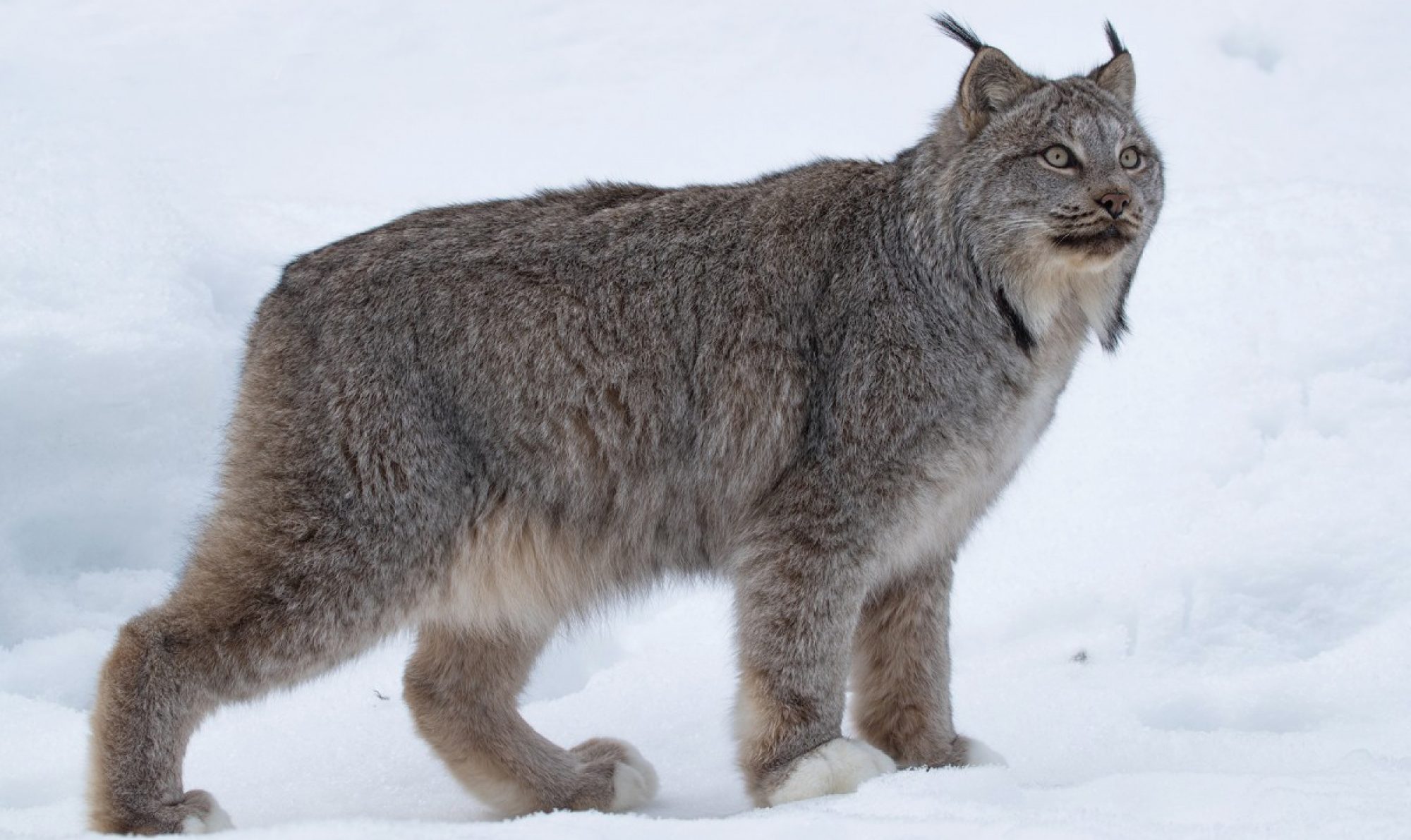

Leopard Rescued from Gujarat Well


Forest wardens in India’s Gujarat state have rescued a three-year old leopard which had fallen into an open well. The leopard is the second of its kind to be rescued in the area this week, highlighting the growing problem of creatures loosing their habitat and having to stray into populated areas for food.
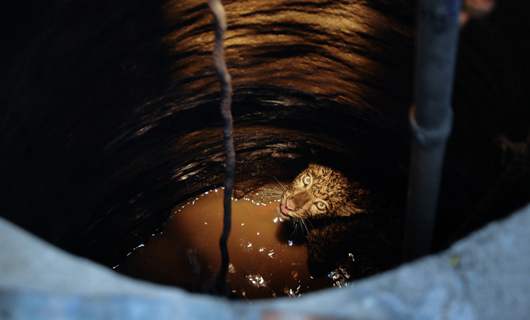
A young leopard peers towards a rescuers torch beam
Photograph: Biju Boro/AFP/Getty

The distressed leopard was finally winched to safety after many hours of incarceration and trauma. The animal was tranquilised using a dart after its struggles against a noose round its belly were thought to be harming the animal.

Eventually the three-year-old animal was lifted from the water and hauled onto a wooden frame by a team of eight wardens in the village of Aambaliya.

It is said that the Leopard is becoming India’s Urban Fox as incidents such as this are growing in frequency as shrinking natural habitats forces more of these big cats to venture into human territory. They approach settlements where they are tempted to prey on domestic livestock including dogs, pigs and goats, and of course they will always be in need of a drink of water.
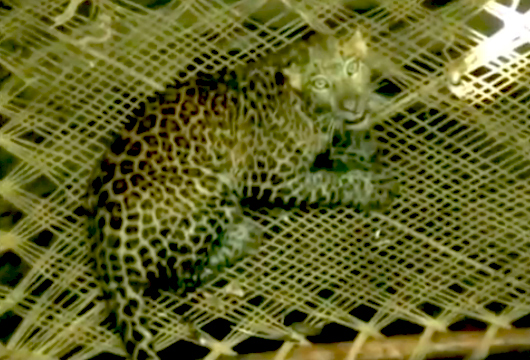
Leopard in the net. On his way to Freedom (oh sorry, the local zoo)
Photographs: Reuters

Leopards were once common across all of southern Asia but have been recently classified (since 2008) as ‘near threatened’ by International Union for Conservation of Nature. In May 2010, the Wildlife Protection Society of India estimated that at least 3,189 leopards were killed in the country since 1994.
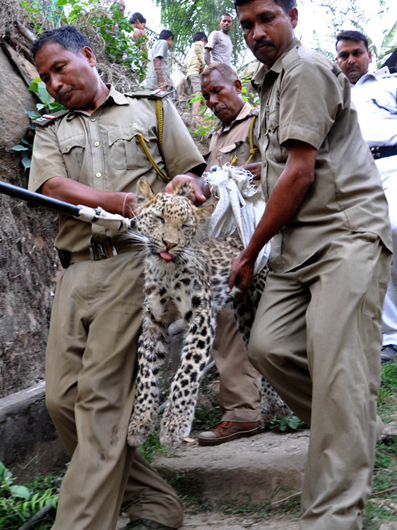
The animal is sedated and taken to the nearby zoo. Poor Thing!
Photographs: Photo: Biju Boro/AFP/Getty

Norman and I are pleased the animal was freed from his ordeal but feel that incarcerating him in the local zoo (and not setting him free) was a little uncalled for. However we have no knowledge of affairs in this region and so hope the leopard is given a large home in which to live.
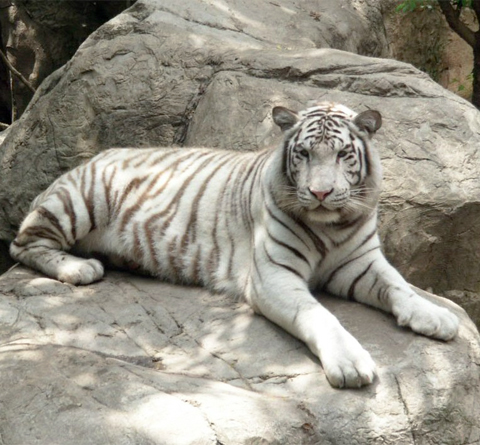
White Tiger

Cat of the Month ~ January 2012

white tiger image

The White Tiger, rarely seen in the wild.
Photograph: animal-wildlife.blogspot.com

White tigers are basically a colour variant of the Bengal tiger (Panthera tigris bengalensis), and are rarely found in the wild. It is though, reported as having been seen in the wild from time to time in the Assam, Bengal, and Bihar regions of India and especially from the former State of Rewa (in fact home to the very first white tiger). It is believed that all white tigers in captivity in the world today are the descendants of this single white tiger, caught (and named ‘Mohan’) by the Maharajah of Rewa in the year 1951.

The White Tiger is almost identical to the now famous Royal Bengal Tiger except for a genetic mutation that causes a change in the colour of the fur and eyes. The origin of the Bengal Tiger is believed to be from the region we know today as Siberia. From there, these Siberian Big Cats (Panthera tigris altaica) migrated south over the course of thousands of years (and as the climate of their native territory became colder). Today Asia, India and Malaysia all are home to tigers (some of which are white due to genetic mutation), although their numbers are dwindling.

White tigers are only born when two tigers that both carry the unusual gene for white colouring, mate. Unfortunately there are many forced breeding programs currently in progress which are detrimental to those tigers bred in captivity. This is indeed often a sad tale which is outlined in the following very serious and informative article [White Tigers – Conserving Misery]. (Not for the very young or easily upset, Ed)

Where present, white (and other) Bengal tigers will be found regions of dense undergrowth and forested areas where they can camouflage themselves and ambush their prey.

Though, today white tigers are mostly confined in zoos (for example the Nandan Kanan Zoo in Orissa, India) they are also found in many National parks, such as those in India and the Far East.