
Sirga the orphan lioness

Cat of the Month ~ January 2015
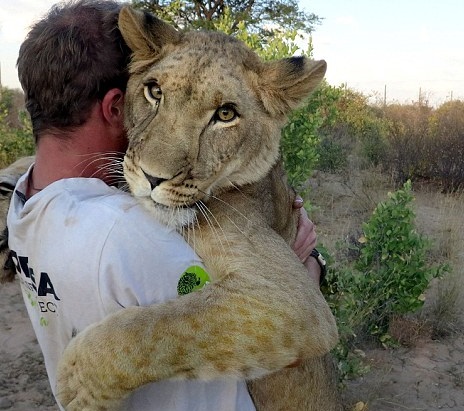
Sirga is one hefty Cat.
Photograph: Caters News Agency

Sirga the lioness was abandoned by her pride as a young cub and left to fend for herself in the wide wild African bush.

It was extremely lucky for the animal that she was rescued by the owners of the nearby Modisa wildlife sanctuary in Botswana, Africa. Today Sirga is a fully grown feline weighing in at over 110 pounds. She’s a beautiful brute of a lioness in fact.

Sirga with her two rescuers, Valentin and Mikkel
Photograph: Caters News Agency

By rescuing and looking after this cat, the owner of the sanctuary Valentin Gruener has forged an unbreakable bond with Sirga. Both Valentin and his fellow naturalist Mikkel Legarth are treated like fellow lions by Sirga. In return, the men help the Big cat to hunt for food and they get to receive the hugs of this most affectionate feline.

Mikkel, explains: “The pride had three cubs and two were killed before Sirga was abandoned without food. It happened on our land and we couldn’t standby and watch her die.”

“We didn’t want Sirga to become like other lions in captivity, constantly fed by streams of tourists. ”

“She only interacts with me and Valentin. “She hunts her own food, taking antelopes and she will let us be near her when she eats it which is remarkable.

“Sirga doesn’t mind people, but she doesn’t pay them any attention. Wild lions are scared of people, the problem comes if you release a lion that is used to people in the wild, that can cause problems.”

“With Sirga we want to release her to the wild eventually as a wild lion not as one that has met lots of people. That would be dangerous.”

Sirga as a cub
Photograph: Caters News Agency

Valentin and Mikkel are conservationists who live in the real hope of saving the lion population in the Botswana vicinity but as is the case in so many animal environments today, increased farming activity is bringing lions and man into more and more conflict.

The men have begun the Modisa Wildlife Project to work with local farmers to find a way to keep lions and man in their respective domains, so that they can live together in mutual harmony. The plan is to relocate the lions which are coming into contact with farmers to one large protected area where they have enough wild prey to feed on.

Mikkel continues “If you release wild lions somewhere else, they will come straight back to where they were before because there is food there. “And if you just dump a pride of lions in the middle of a new territory they will disturb the prides that are already there. “In Botswana all lions are protected by the government. They are like swans being the property of the Crown in the UK. This also makes moving them a problem.

“What we have now are 10,000-hectare plots with 10 to 15 lions in fenced enclosure, they are wild lions but we do have to feed them. “The first time you walk up to a lion all your body is telling you this is not something you should be doing.”
Norman’s Christmas Message 2014


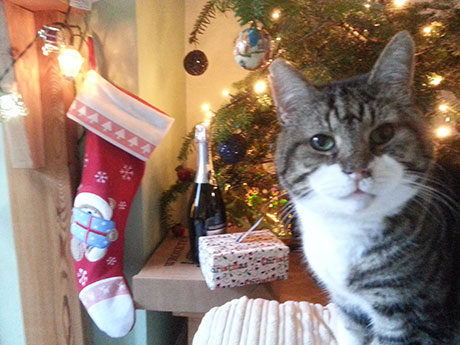
Norman By The Tree

A Very Merry Christmas One and All from Yours Truly
Photograph: Ed @ Moggyblog

Dear Reader,

In this First World War Centenary year I would like to draw attention to the animals that served alongside the brave men and women who gave us all our freedom today.

I have it on good authority that a 16 million-strong army of animals including mules, donkeys, cats and even camels was deployed in our battle of the 1914 to 1918 conflict – with the lives of nine million of these fellow creatures tragically cut short. Here is my humble nod to these brave comrades! I salute you all!

Wishing you all A Moggy Christmas and a Peaceful and Happy New Year 2015!

Love and Purrs,

Norman. x


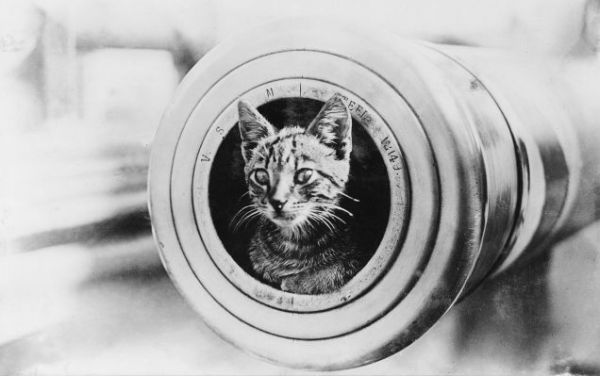
Cat in the warm gun barrel

Ship’s cat tucked into one of the big guns
aboard the H.M.S. Encounter 1916.
Photograph: neatorama.com

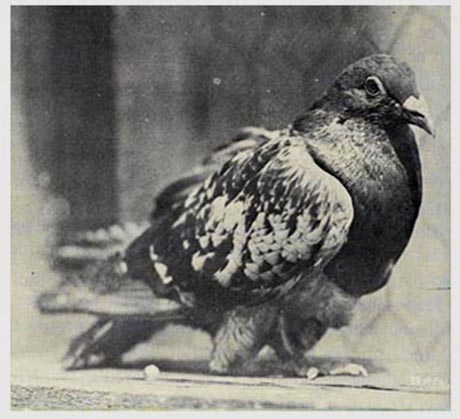
Cher Ami – The famous pigeon who saved 200 lives was awarded
the Croix de Guerre medal
Photograph: https://www.racingpigeondigest.com

Probably the most famous of all the carrier/homing pigeons that were employed in both WW I and WW II (as vital communication links) was the one named ‘Cher Ami’, two French words meaning “Dear Friend”. Cher Ami spent several months on the front lines during the Fall of 1918. He flew 12 important missions to deliver messages. Perhaps the most important was the message he carried on October 4, 1918 when he survived shrapnel injuries to deliver a message that saved members of the “Lost Battalion”…. Read the full story at the Home of Heroes (homeofheroes.com)

Horse and Rider – taking a break.
The horses had to endure the same hardships as the soldiers
throughout the conflict!
Photograph: pinterest.com

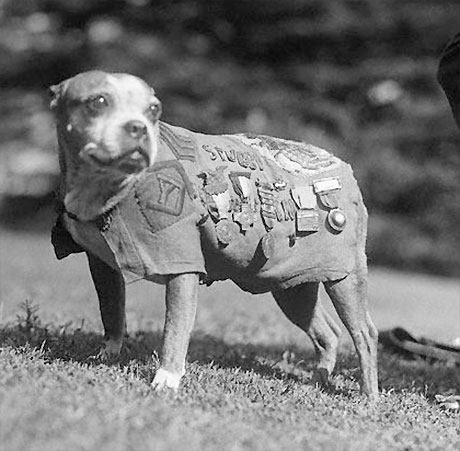
Sgt. Stubby the dog

Sgt. Stubby was nearly killed by nerve gas in 1914
Photograph:

The now famous pitbull Seargent Stubby took part in seventeen battles and was nearly killed by nerve gas. He also captured a german spy. He is said to be the most decorated war dog of World War I and the only dog to be nominated for rank and then promoted to sergeant through combat.

Another famous WW1 message carrying dog was ‘Rags’, a mixed breed terrier who was born in Paris. During his service he was bombed and gassed like the soldiers around him. He went on to save the life of many of his fellow soldiers.

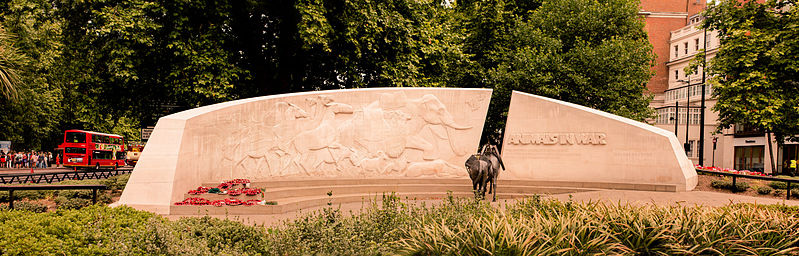
There are at least two war memorials to these brave animals. This one is in Hyde Park London

War Memorial

‘Animals in War’ Memorial in Hyde Park, London
Photograph: animalsinwar.org.uk

terrier
This monument is a powerful and moving tribute to all the animals that served, suffered and died alongside the British, Commonwealth and Allied forces in the wars and conflicts of the 20th century. The memorial was unveiled by HRH The Princess Royal in November 2004, the 90th anniversary of the start of World War I.