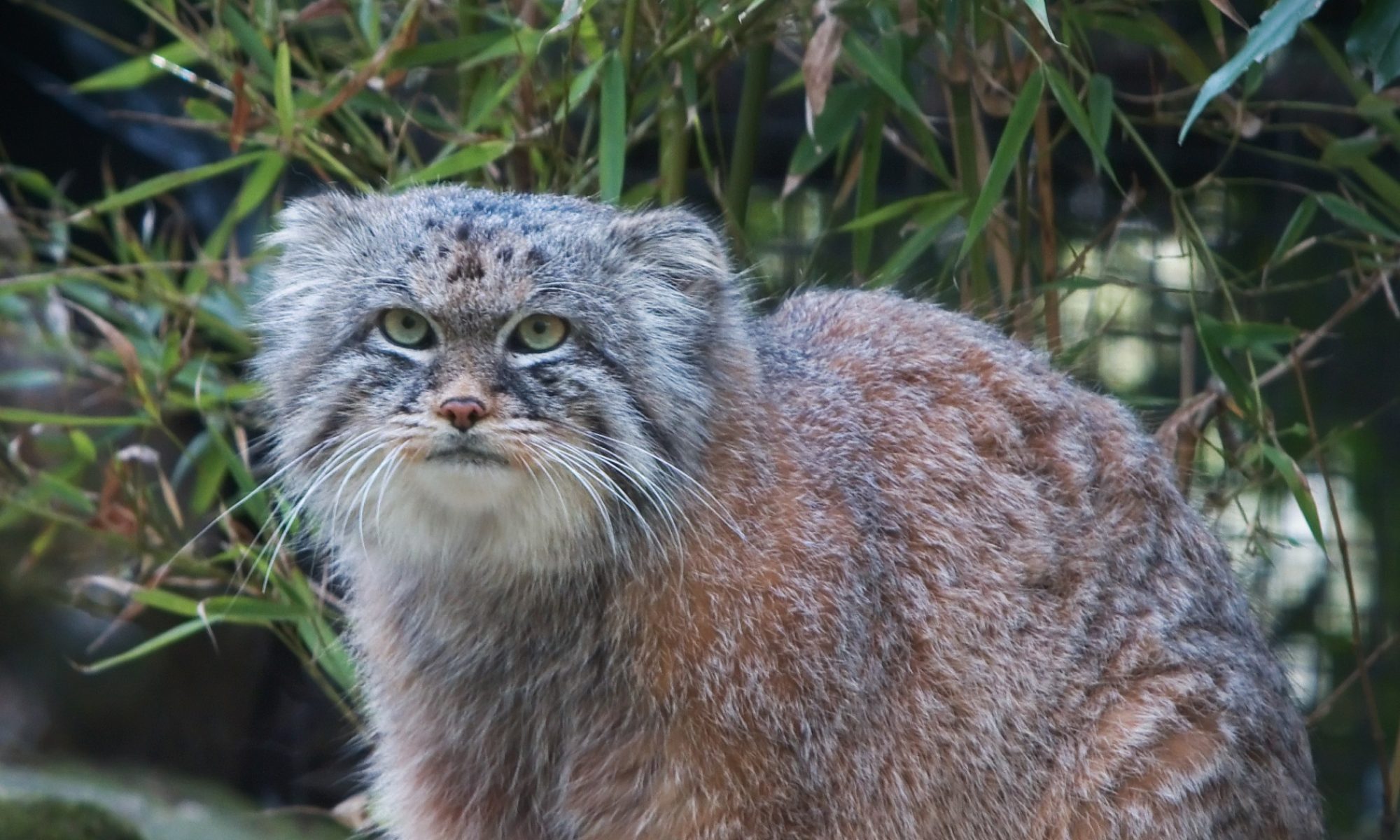

American Curl

The American Curl is a breed of cat characterized by its unusual ears, which curl back from the face toward the center of the back of the skull.

The breed originated in Lakewood, California as the result of a spontaneous mutation. In June, 1981, two stray kittens were found and taken in by the Ruga family.
The kittens were both longhaired, one black and the other black and white. The family named them Shulamith and Panda respectively, but Panda got lost several
weeks later, making Shulamith the foundation female of the American Curl breed.

The American Curl, with characteristic curled back ears.

In 1983, an American Curl was exhibited at a cat show for the first time, and in 1987, the longhaired American Curl was given championship status by The International Cat Association (TICA). In 1993, the American Curl became the first breed admitted to the Cat Fanciers’ Association (CFA) Championship Class with both longhair and shorthair divisions.

The American Curl is a medium sized cat (5-10 lbs), and does not reach maturity until 2-3 years of age. They are strong and healthy, remarkably free of the genetic defects that affect many purebred cats.

American Curl kittens are born with straight ears, which begin to curl within ten days. After four months, their ears will not curl any longer, and should be hard and stiff to the touch. A pet quality American Curl may have almost straight ears, but showcats must have ears that curl in an arc between 90 and 180 degrees. A greater angle is preferable, but cats will be disqualified if their ears touch the back of their skulls.

Both longhaired and shorthaired American Curls have soft, silky coats which lie flat against their bodies. They require little grooming, but enjoy spending time with their owners.

The American Curl, while still an uncommon breed, is found across the world in the United States, Spain, France, Japan, Russia, and many other countries.

[Thanks to wikipedia.org]
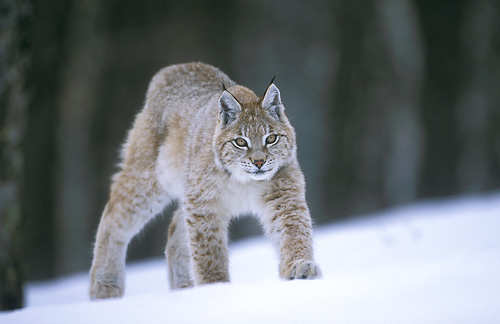
The European Lynx

Cat of the Month ~ October 2007

The European lynx is cat-like in appearance but is much larger than a domestic cat at just over 1m in length and weighing between 30 – 40Kg. They have a very short tail and ear tufts with a grey-brown spotted coat.

The European Lynx

The European Lynx live mainly in pine forests and mountain areas of northern Europe. They are solitary animals and have a large home territory which the mark and defend from other Lynx in the area. Their main prey are roe deer, hares and rabbits. Sometimes they will eat sheep. An adult lynx eats on average 1-2 kg of meat a day.

Unfortunately there are no longer any Lynx in Britain (other than in Zoos). They lived here about 1,000 years ago but became extinct probably due to hunting and loss of habitat.

Lynx mating takes place between February to April with usually 2 -3 young born 10 weeks later. The mother cares for and feeds her kittens on her own with no help from the father. Young lynx live with their mother until about ten months old and then move away. Most adults live for around 4 – 5 years but survivors can reach 17 years of age.

Some more facts about European Lynx:

  • There are several Scientific names for the Lynx. They are ‘Lynx Lynx’ (Siderian), Lynx Pardinus’ (Iberian), Lynx Canadensis (Canadian) or Lynx Rufus.
  • Lynx are rare animals with only small numbers present in just a few countries of Europe.
  • Some people are allowed to hunt lynx in Europe for their fur and skins.
  • Lynx have been reintroduced to some European countries to help them increase their numbers.
  • Some people want to return lynx to the wild in Britain.
  • It is thought that Scotland has enough wild places for about 350 lynx. However farmers may well be against this happening because lynx sometimes kill sheep.
  • Link to one of many Lynx websites